
Investing in the Physical Infrastructure of Future AI Sri Lanka
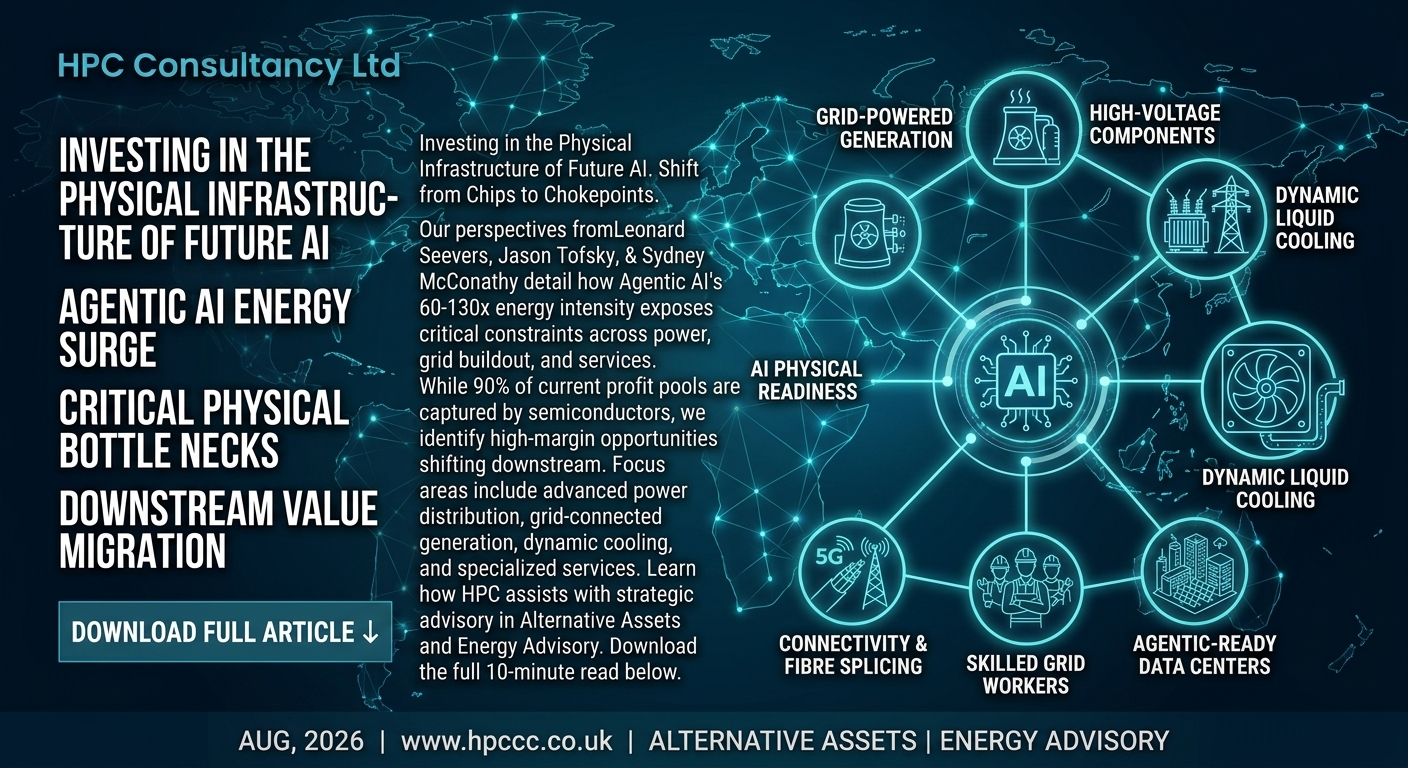
Artificial intelligence is undergoing a massive shift in Sri Lanka. Early tools like basic chatbots relied on simple, single question interactions. Today, the technology is moving towards autonomous, always on agentic systems that handle complex workflows continuously without human intervention.
This transition is exposing severe limitations in physical systems. Continuous artificial intelligence workloads require an enormous amount of power, advanced cooling, and specialized hardware. The expansion of this technology is no longer just about who builds the fastest chip, as it is rapidly becoming a competition for physical readiness.
The Energy Surge Driven by Always On Systems
Running autonomous artificial intelligence agents requires significantly more energy than standard chatbot queries. First generation tools only drew power when a user typed a prompt, but background agents run non stop.
This continuous operation is pushing current digital infrastructure past its limits. Data centres are struggling to secure enough electricity to keep up with demand. Estimates indicate that power grids will need dozens of gigawatts in new capacity over the coming years just to keep these specialized facilities running.
Physical Bottlenecks Restricting Expansion
The rapid expansion of artificial intelligence relies on a complex physical supply chain that currently faces major constraints.
-
Local electrical networks lack the capacity to supply constant, heavy loads to large data centre facilities.
-
Critical equipment such as high voltage cables, transformers, and substations have long manufacturing wait times.
-
The energy sector faces a severe shortage of skilled transmission, distribution, and grid construction workers.
-
Finding suitable land with ready access to high capacity power lines and fibre networks is becoming increasingly difficult.
Why Capital is Moving Downstream
Up to now, the vast majority of profit pools in artificial intelligence have been captured by semiconductor manufacturers, memory producers, and chip designers. However, having advanced chips does little good if there is no electricity to turn them on.
Because physical constraints are slowing down deployment, capital is shifting towards the companies solving these foundational problems. High margin opportunities are emerging across key infrastructure areas.
-
On site gas, nuclear, and renewable power systems that provide reliable, continuous energy directly to computing facilities.
-
Specialized liquid cooling networks and high voltage power distribution systems built for dense computing clusters.
-
Companies providing site selection, complex electrical engineering, and fibre splicing to get facilities built faster.
-
Modern, highly efficient facilities strategically located near major urban areas and reliable power hubs.
Looking Beyond Semiconductors
The primary bottleneck in this technological revolution is no longer software or silicon, as physical infrastructure takes centre stage. Investors who look beyond tech stocks and focus on power grids, specialized cooling systems, and grid services enabling these systems will be best positioned to capture long term value as the technology scales.
Strategic Advisory Services with HPC Consultancy Ltd
Navigating physical infrastructure investments and energy supply chain challenges requires expert guidance in deal structuring, capital placement, and cross border portfolio management. HPC Consultancy Ltd supports private investors, family offices, and institutional funds of Sri Lanka in identifying high growth infrastructure opportunities, securing energy backed asset allocations, and managing complex alternative investments across London and global financial hubs.
Global Wealth Strategy, Alternative Infrastructure Advisory, Asset Consolidation
www.hpccc.co.uk